



Persistent aches and muscle tension caused by the weight of heavy breasts.
relief from heavy breasts
starts here
Breast reduction can relieve the physical strain of heavy breasts while creating a lighter, more balanced shape.
With more than 30 years of experience, board-certified plastic surgeon Scott A. Spiro, MD, FACS combines surgical precision with an artistic approach to lifting and reshaping the breasts.
Insurance coverage may be available when breast reduction is medically necessary. Our team can guide you through every step of the way.


Deep, uncomfortable indentations where bra straps press into your shoulders.
Recurring rashes, irritation, and discomfort beneath the breasts.
Discomfort that makes exercise and everyday movement more challenging.
Frustration with finding clothes that fit comfortably and feeling confident in what you wear.
Surgical
Request Appointment
Tell us what works best for you. We’ll reach out to confirm details and answer any questions before your visit.

Spiro Plastic Surgery
Phone
Hours
Monday: 9am-5pm
Tuesday: 9am-5pm
Wednesday: 9am-5pm
Thursday: 9am-5pm
Friday: 9am-5pm
Saturday: Closed
Sunday: Closed
Insurance doesn’t have
to feel confusing.
Breast reduction may qualify for insurance coverage when physical symptoms affect your daily life, but understanding the requirements can be overwhelming. Our experienced team helps patients navigate available benefits, medical documentation, and preauthorization whenever possible.
- Tell us what you’re experiencing
- We review your symptoms and available benefits
- We help gather the necessary documentation
- We guide you through the next steps
WHAT INSURANCE OFTEN LOOKS FOR:
-
Chronic back, neck, or shoulder pain
-
Shoulder grooving from bra straps
-
Skin irritation or rashes
-
Activity limitations
-
Tried supportive bras, physical therapy, or other conservative care
-
Medical documentation from your doctor
-
Enough tissue removal to meet plan guidelines


EXPLORING MEDICAL COVERAGE
For patients experiencing documented physical symptoms who want help understanding medical-necessity requirements and available out-of-network benefits.
- Documentation requirements including a history of conservative treatment.
- Plan-specific rules regarding the amount of tissue that must be removed.
- Our team assists with insurance coordination and preauthorization whenever possible.
prioritizing shape and flexibility
For patients pursuing breast reduction without insurance constraints and with greater flexibility around size, shaping, projection and proportion.
- Greater flexibility around aesthetic goals.
- No insurance approval required.
Results Gallery
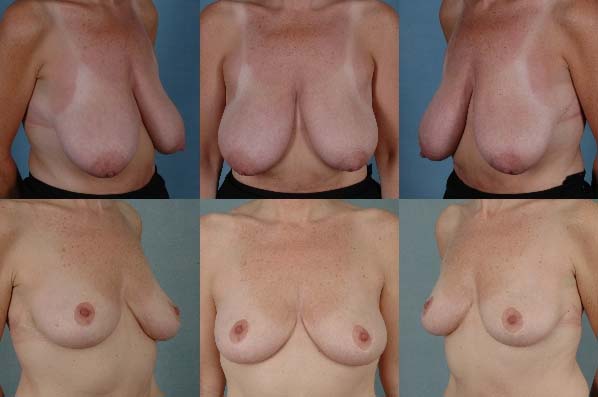
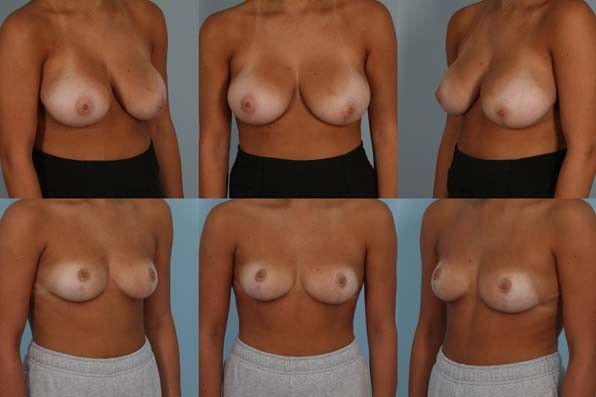
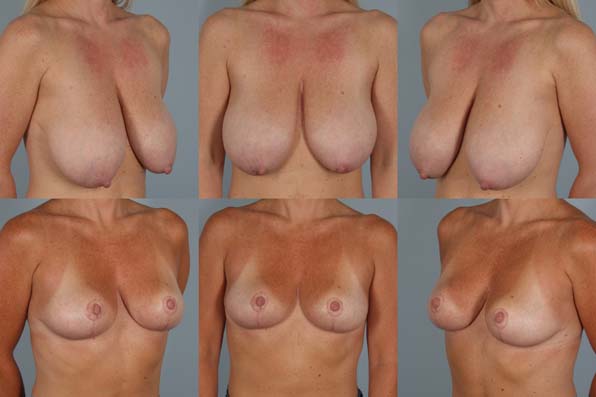
Breast Reduction Gallery
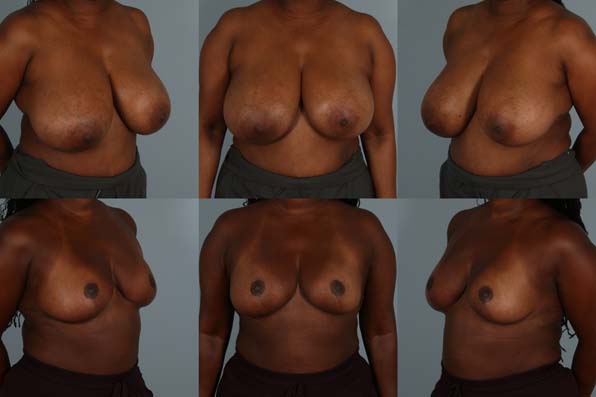
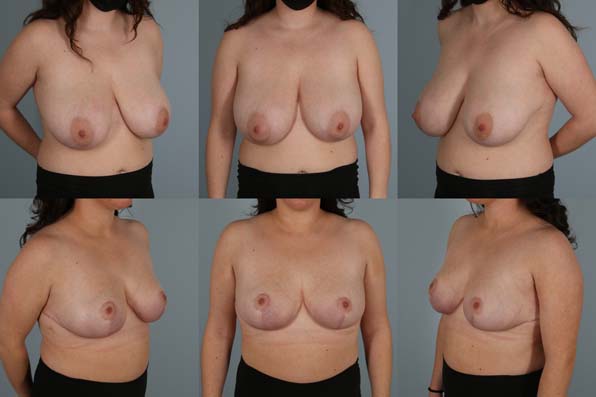
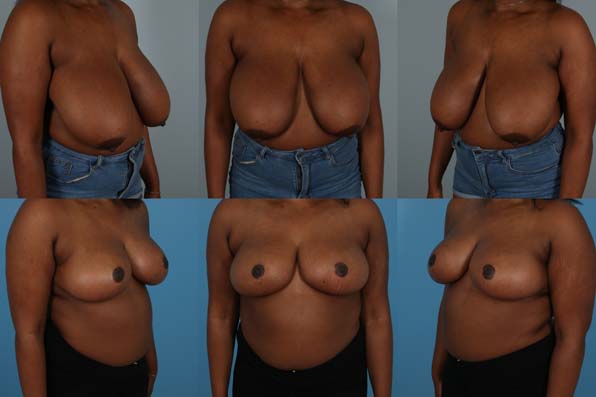
Look at our breast reduction before-and-after gallery to see our patients’ long-lasting and transformative results!
RECOVERY AND SUPPORT
WHAT TO EXPECT AFTER BREAST REDUCTION SURGERY
Recovery is a gradual process, and every patient’s experience is different. With personalized postoperative instructions and attentive follow-up care, Dr. Spiro and his team will guide you through each stage of healing.
Frequently Asked Questions
Breast reduction surgery may qualify for insurance coverage when large, heavy breasts contribute to documented medical concerns such as chronic back or neck pain, shoulder grooving, or recurring skin irritation. Insurance companies evaluate medical necessity based on their individual coverage guidelines, which may include a history of conservative treatments and minimum tissue removal requirements.
At Spiro Plastic Surgery, our experienced team helps patients understand available out-of-network benefits, gather supporting medical documentation, and navigate preauthorization whenever possible. Coverage is never guaranteed, and deductibles, coinsurance, or other out-of-pocket expenses may apply even when a procedure is approved.
The cost of breast reduction surgery varies depending on the complexity of the procedure, your individual surgical needs, and whether you’re pursuing insurance coverage or a self-pay approach. Surgical fees, anesthesia, and facility expenses can all contribute to the overall cost.
For patients considering medically necessary breast reduction, insurance benefits may help offset certain expenses. Our team can review available coverage and discuss anticipated financial responsibilities, while self-pay patients can receive information about the costs associated with their personalized surgical plan.
Women experiencing persistent physical discomfort, limited mobility, or difficulty finding clothing that comfortably accommodates large breasts may benefit from breast reduction surgery. Others seek a smaller, more proportionate breast shape that better complements their natural frame.
Ideal candidates are generally in good health, understand the potential risks of surgery, and have realistic expectations for their results. During your consultation, Dr. Spiro evaluates your anatomy and medical history to determine whether breast reduction is appropriate for your individual concerns and aesthetic goals.
A breast reduction and a breast lift are closely related, but they are not the same procedure. A lift focuses on adjusting breast position and shape, while a reduction removes fat, skin, and glandular tissue to reduce breast size and weight.
For women whose breast weight contributes to chronic muscle strain, breast reduction surgery can provide meaningful relief by removing excess tissue and decreasing the weight carried across the chest and shoulders.
Many patients pursue reduction mammoplasty after struggling with discomfort that interferes with exercise, posture, or everyday activities. Although reducing breast weight may improve these symptoms, not every source of back or neck pain is related to breast size, and individual results vary. Dr. Spiro considers your physical symptoms as part of determining whether surgery is appropriate.
Yes. Dr. Spiro incorporates lifting and reshaping into his breast reduction procedures, addressing both excess breast weight and the position of the remaining tissue. Unlike a breast lift performed primarily to improve breast position, breast reduction removes additional tissue to decrease overall size and heaviness.
Dr. Spiro’s approach extends beyond tissue removal, with careful attention to nipple position, breast projection, and proportional balance. When appropriate, specialized liposuction may further refine the surrounding chest contour. The goal is to create a lighter, naturally shaped breast that complements the patient’s anatomy.
The amount of tissue removed during breast reduction depends on your existing breast anatomy, desired size, tissue characteristics, and the proportions Dr. Spiro can safely achieve. Rather than planning surgery around a specific bra cup size alone, he considers how the remaining breast tissue can be lifted and reshaped to create a balanced contour.
For patients using insurance, medical necessity guidelines may establish minimum tissue removal requirements that influence surgical planning. Self-pay breast reduction generally offers more flexibility around aesthetic preferences, although surgical safety and individual anatomy remain essential considerations.
Breast reduction can improve differences in breast size, shape, and position by allowing Dr. Spiro to individually reshape each breast. When one breast is larger or sits lower than the other, he may adjust the amount of tissue removed and refine nipple placement to achieve a more balanced appearance.
While improved symmetry is often an important part of surgical planning, perfectly identical breasts cannot be guaranteed. Existing anatomy, skin quality, and the healing process all influence the final result.
Breast reduction surgery requires incisions, so some permanent scarring is unavoidable. Depending on the surgical technique, incisions are commonly placed around the areola, vertically toward the breast crease, and sometimes along the fold beneath the breast.
Dr. Spiro carefully plans incision placement while prioritizing breast shape and the safety of the procedure. Scars are typically more noticeable during the early months of recovery and often soften and fade as healing progresses, although their final appearance varies from patient to patient.
Breastfeeding may still be possible following breast reduction surgery, although the procedure can affect milk ducts, nerves, and the breast tissue involved in milk production. Some women are able to breastfeed after surgery, while others may experience a reduced milk supply or difficulty breastfeeding.
The impact varies depending on individual anatomy and the surgical technique used. If you are considering future pregnancies or hope to breastfeed, discussing those plans with Dr. Spiro during your consultation is an important part of making an informed decision.
Changes in nipple or breast sensation are possible following breast reduction surgery because the procedure involves repositioning and reshaping breast tissue. Some patients experience temporary numbness or increased sensitivity during healing, while others may have sensory changes that persist long-term.
Dr. Spiro considers breast anatomy and tissue preservation when developing each surgical plan. Potential changes in sensation, along with other surgical risks, will be discussed during your consultation so you can understand the considerations specific to your procedure.
Recovery after breast reduction surgery varies, although many patients with desk-based jobs can return to work after approximately one week. The first several weeks focus on healing and avoiding unnecessary physical strain, with light exercise and activity typically resuming around the four-week mark under Dr. Spiro’s guidance.
More demanding exercise and strength training are gradually reintroduced as healing progresses, generally during the following weeks and only with surgical clearance. Swelling continues to improve over several months as the breasts settle into their new shape and incisions mature.
Your breast reduction consultation at Spiro Plastic Surgery in West Orange, New Jersey, begins with an individualized evaluation of your physical concerns, breast anatomy, and desired results. Dr. Spiro discusses the surgical approach most appropriate for your goals, including the anticipated breast size and shape, recovery expectations, and potential risks.
If you’re exploring insurance coverage, our team can also help explain available out-of-network benefits and the documentation that may be required. The consultation is an opportunity to understand your options and develop a thoughtful plan before deciding whether to proceed with surgery.