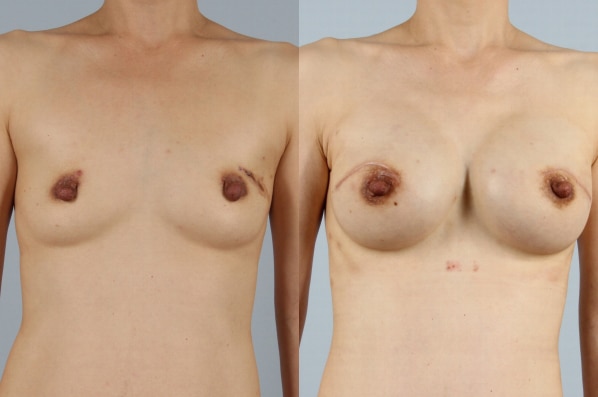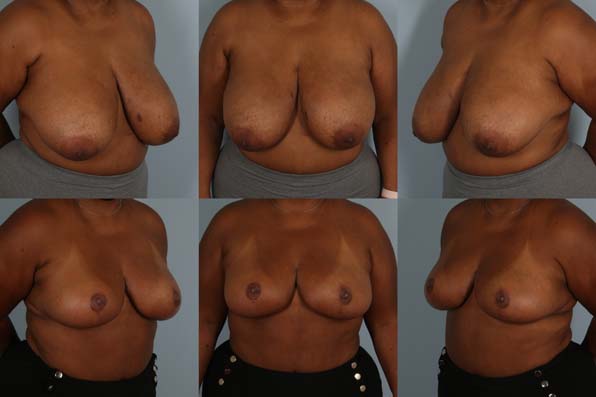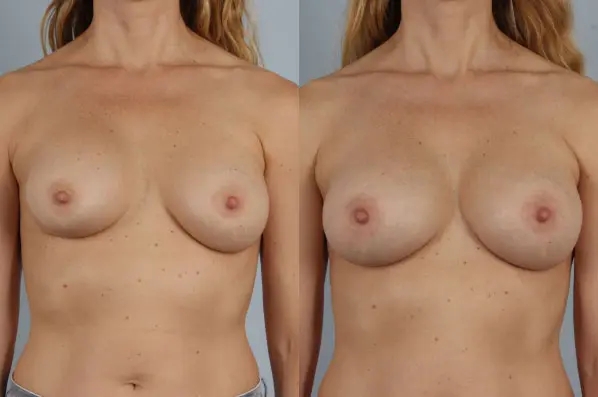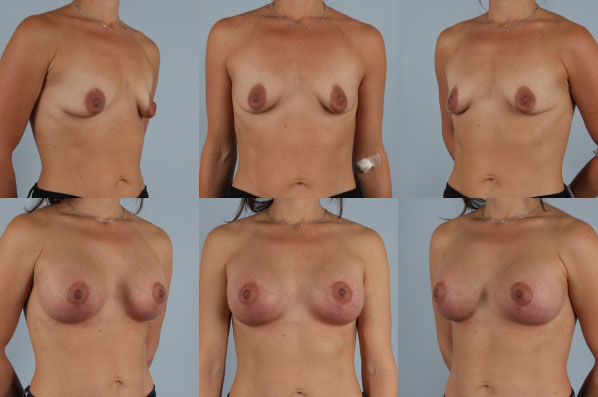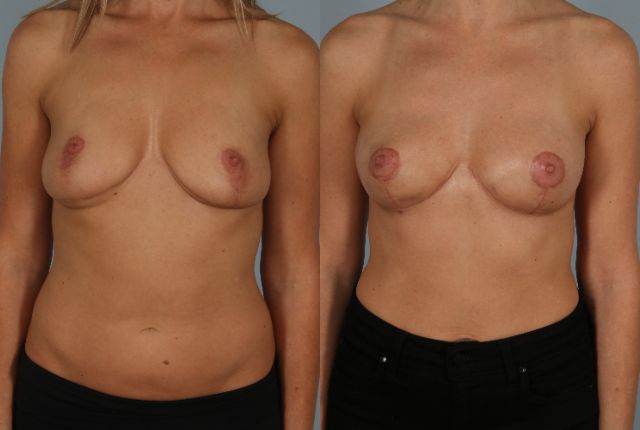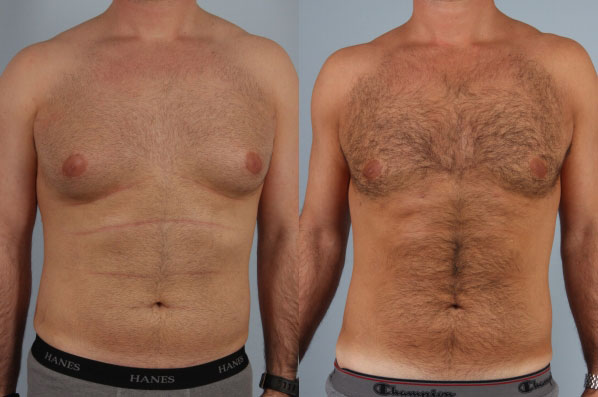
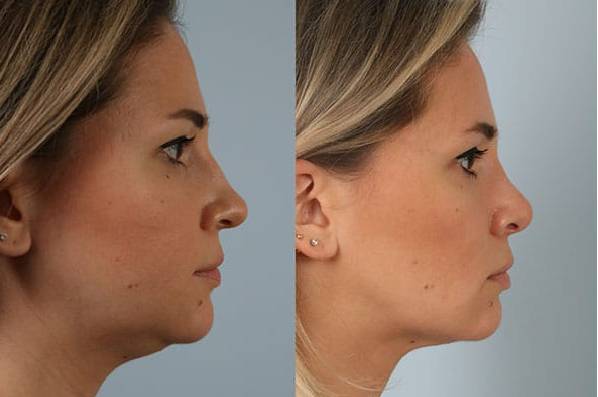




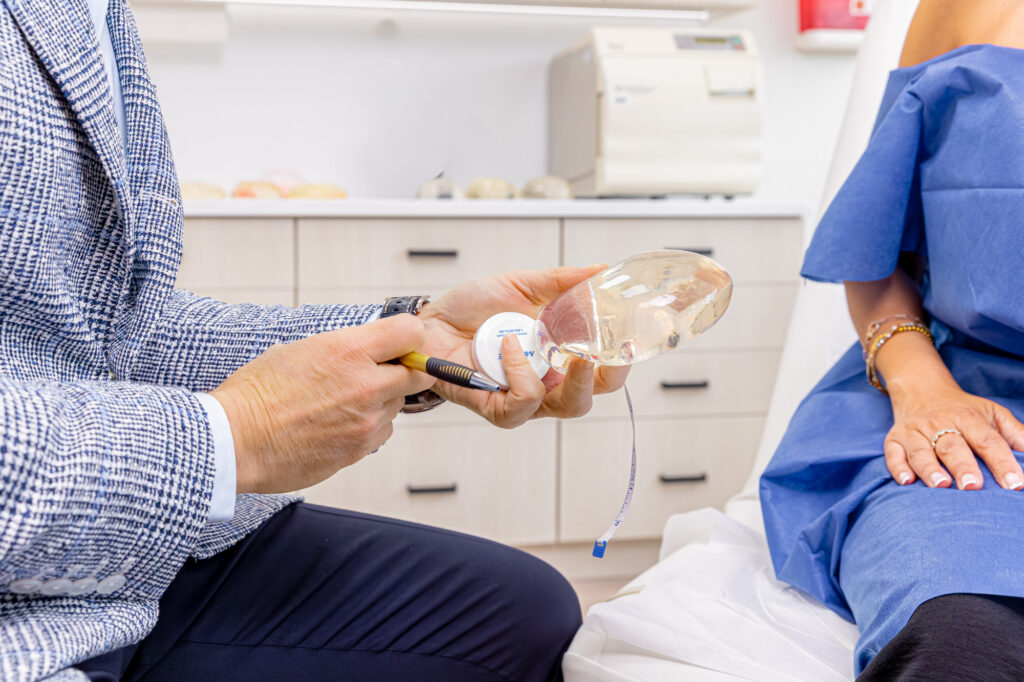

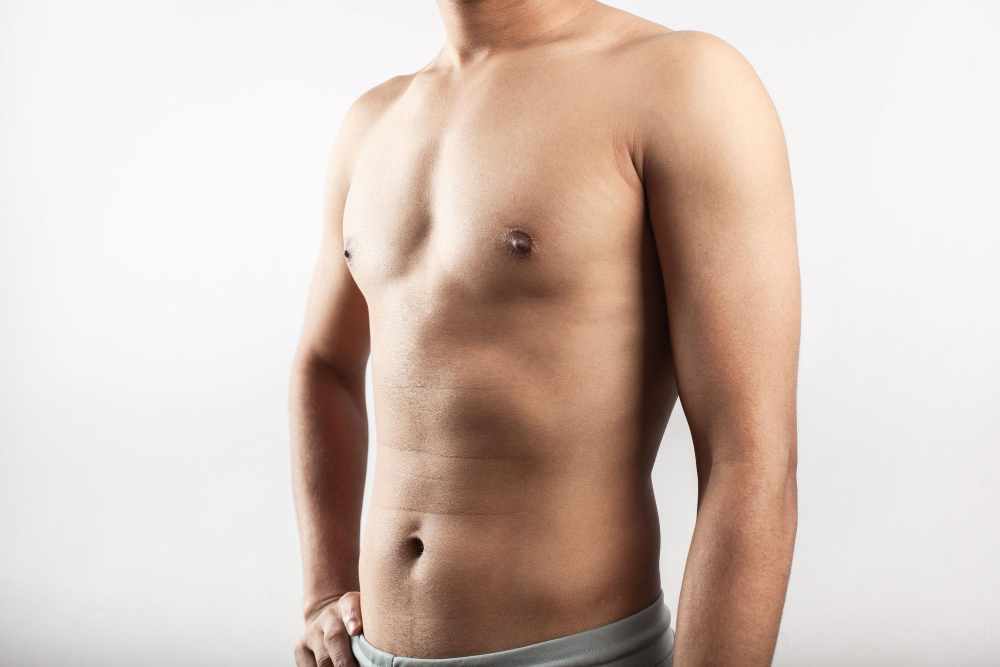

Breast size, chest shape, tissue distribution, and body frame can influence comfort, proportion, and long-term surgical needs.
Solutions for Restoring Breast Shape & Comfort

Skin, breast tissue, and support structures change over time, which can affect shape, position, heaviness, and comfort.
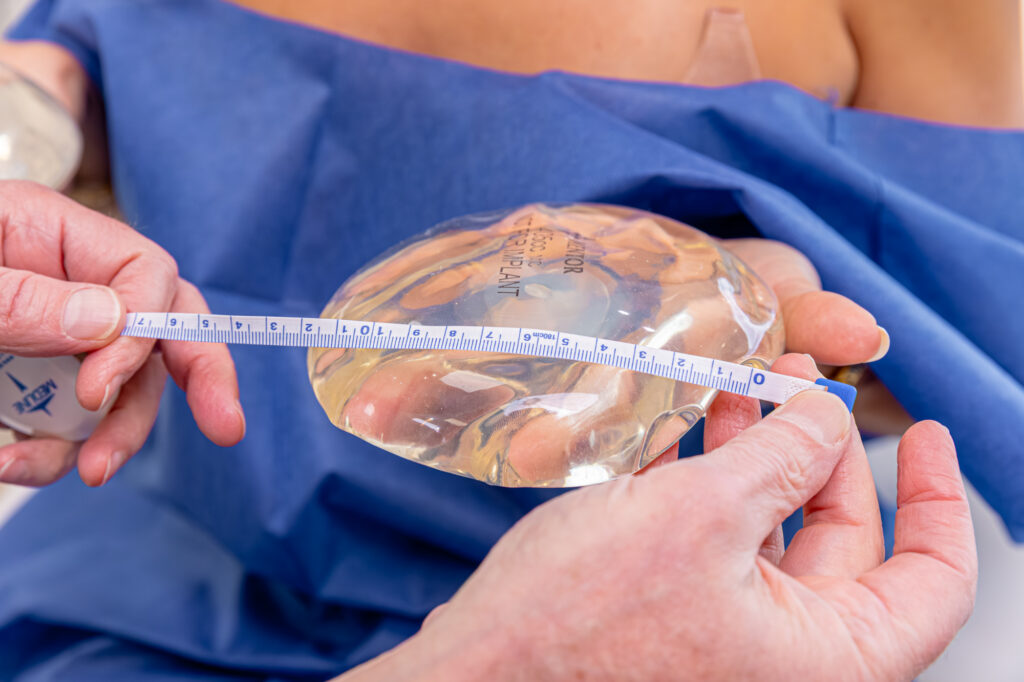
Implants, older procedures, capsular contracture, or shifting results can create concerns that need surgical correction or revision.
Weight changes, pregnancy, breastfeeding, and hormonal shifts can affect breast volume, tissue fullness, chest contours, and skin elasticity.

Your Treatment Options
Breast surgery may include breast implant revision, breast reduction, breast asymmetry correction, gynecomastia surgery, breast reconstruction, or capsulectomy based on your anatomy, concerns, and surgical history.
Results Gallery
Work That
Speaks for Itself
Explore real patient outcomes where surgical precision and artistic perspective come together to create results that feel natural, balanced, and uniquely personal.
Frequently Asked Questions
You may need breast implant revision if your implants no longer fit your goals, feel uncomfortable, or have changed in position or appearance. Revision may also address rupture, rippling, asymmetry, capsular contracture, or concerns from a previous surgery. Dr. Spiro will evaluate your implants, tissue, and surgical history before recommending a plan.
Yes. Procedures like breast reduction, capsulectomy, and gynecomastia surgery can address concerns that affect comfort, clothing fit, posture, or movement. If you are considering corrective plastic surgery in New Jersey, Dr. Spiro can help determine whether surgery may improve both proportions and physical ease.
Yes. Breast asymmetry correction can improve differences in size, shape, position, or nipple placement. Depending on your anatomy, Dr. Spiro may recommend a breast lift, reduction, augmentation, fat grafting, implant revision, or a combination of these to create better balance.
Not exactly. Breast implant removal takes out the implant, while capsulectomy removes the scar tissue capsule that forms around the implant. Some patients need both procedures, especially when they have capsular contracture, implant-related discomfort, or concerns about older implants.