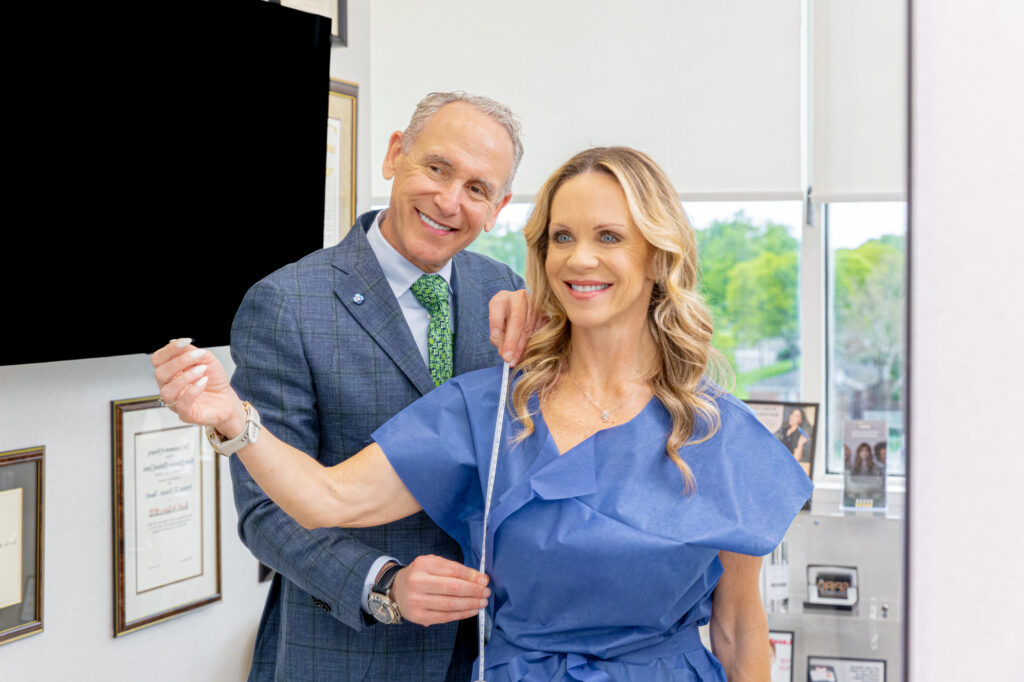










Meet with your plastic surgeon to discuss reconstructive options, goals, and insurance considerations.

The Spiro Team is Here to Help
We understand that navigating insurance coverage can feel overwhelming, especially during an already emotional or physically uncomfortable time. Our team works closely with patients throughout the process, helping coordinate documentation and explain financial responsibilities as clearly as possible. We’re here to help guide you through each step with transparency, support, and personalized attention.
Coverage Basics
Many insurance plans are required to cover medically necessary breast reconstruction after mastectomy.

Post-Mastectomy Care
Federal law often protects coverage for breast reconstruction following breast cancer surgery.

Reconstructive Purpose
Insurance generally distinguishes reconstruction from elective cosmetic procedures.

Symmetry Procedures
Coverage may include surgery on the opposite breast to improve overall symmetry.

Multiple Stages
Many reconstruction plans involve staged procedures covered over time.

Physician Documentation
Detailed surgical recommendations help support insurance authorization.

Revision Procedures
Certain revision surgeries will still qualify when medically appropriate.
Understanding Medical
Necessity
Breast reconstruction is commonly considered medically necessary
following mastectomy, lumpectomy, or other medically related breast procedures.
Post-Cancer Reconstruction
Many insurance plans cover reconstruction following breast cancer treatment, lumpectomy and mastectomy.
Restoring Breast Shape
Reconstruction may help restore breast contour, symmetry, and physical balance after surgery.
Functional Concerns
Some patients experience physical discomfort, scar-related concerns, or asymmetry that supports reconstructive treatment.
Federal Protections
The Women’s Health and Cancer Rights Act provides important insurance protections for eligible reconstruction procedures.
Breast Asymmetry
Differences in breast size, contour, or shape following surgery may support reconstructive treatment planning.
Chest Wall Tightness
Scar tissue, radiation effects, or surgical changes may contribute to tightness or physical discomfort.
Difficulty With Clothing
Some patients experience difficulty wearing bras, swimwear, or fitted clothing comfortably after a mastectomy.
Emotional Well-Being
Reconstruction may play an important role in restoring confidence and helping patients feel more physically whole after treatment.
Implant Complications
Capsular contracture, implant rupture, or reconstruction-related complications may qualify for medically necessary revision procedures.

Your care team gathers operative reports, oncology records, and physician recommendations supporting reconstruction.
Clinical documentation and treatment plans are submitted for preauthorization review.
Your insurance provider evaluates whether the proposed reconstruction meets coverage guidelines.
Once authorization is received, your surgical team coordinates procedure planning and financial details.
Operative Reports
Insurance companies often request records related to mastectomy or previous breast surgery.
Oncology Records
Cancer treatment documentation may help confirm reconstructive eligibility.
Physician Recommendations
Your surgeon’s evaluation and surgical plan support medical necessity review.
Clinical Photography
Photographs may occasionally be required for revision or asymmetry-related procedures.
Prior Authorization Forms
Some insurers require preauthorization before reconstruction surgery is scheduled.
Implant or Flap Details
Insurance providers may review the specific reconstructive approach recommended for your care.
Insurance Terms Explained
Knowing common insurance terminology can help simplify the reconstruction process.
Preauthorization
Insurance approval is required before surgery is performed.
Reconstruction Coverage
Benefits related to medically necessary reconstructive procedures.
Deductible
The amount paid before insurance benefits begin.
Coinsurance
Your share of approved medical expenses after deductible requirements are met.
Out-of-Pocket Maximum
The yearly limit on covered healthcare expenses under your plan.
Co-Pay
A fixed amount due at the time of your visit.

If Coverage Is Denied
A denial does not always mean reconstruction cannot be covered. Additional records, clarification from your surgeon, or formal appeals may help strengthen reconsideration requests. Your care team can help explain available options and next steps.

Financial Transparency
The No Surprises Act helps protect patients from unexpected medical bills related to certain healthcare services. The law supports greater transparency by giving patients clearer information about estimated treatment costs, insurance coverage, and potential financial responsibility before care is provided.
At Spiro Plastic Surgery, we believe informed patients feel more confident throughout the treatment process, which is why our team works to communicate costs and coverage as clearly as possible.
Understanding Coverage Options
Insurance status may influence coverage levels and overall patient responsibility.

Out-of-Network Access
Our office is best for patients who have insurance plans that offer partial reimbursement for out-of-network procedures.

Referral Requirements
Certain plans require referrals or additional approvals before specialty surgical care.

Coverage Variability
Benefits, deductibles, and reimbursement amounts can vary significantly between insurance plans.
Understanding Expenses
Even with insurance approval, patient costs may vary depending on plan details and surgical needs.
Deductibles
Patients may still be responsible for annual deductible requirements before benefits apply.
Coinsurance Costs
Insurance plans often require patients to share a percentage of approved expenses.
Facility Fees
Hospital or surgical center charges may be billed separately from surgeon fees.
Anesthesia Costs
Coverage for anesthesia services depends on your individual insurance policy.
Financing Options
Flexible payment solutions may help patients manage remaining financial responsibilities.
Find Experience & Guidance

Reconstructive Expertise
An experienced reconstructive surgeon understands both surgical planning and insurance coordination requirements. Breast reconstruction may involve multiple stages, making ongoing surgical support especially important.

Personalized Treatment
Every reconstruction plan is carefully tailored to your anatomy and medical history.