Frequently Asked Questions – Spiro Plastic Surgery
Welcome to Spiro Plastic Surgery in West Orange, New Jersey. Choosing plastic surgery—whether for breast reconstruction, breast and body contouring, or facial rejuvenation—is a significant decision, and Dr. Scott A. Spiro, MD, FACS is committed to helping you feel informed and prepared before you move forward. This page brings the most common questions into one easy-to-navigate resource for patients throughout New Jersey.
If you don’t find the answer you’re looking for, call (973) 736-5907 or send us a message.
Main FAQs
Spiro Plastic Surgery is located at 101 Old Short Hills Rd, Suite 510, West Orange, NJ 07052.
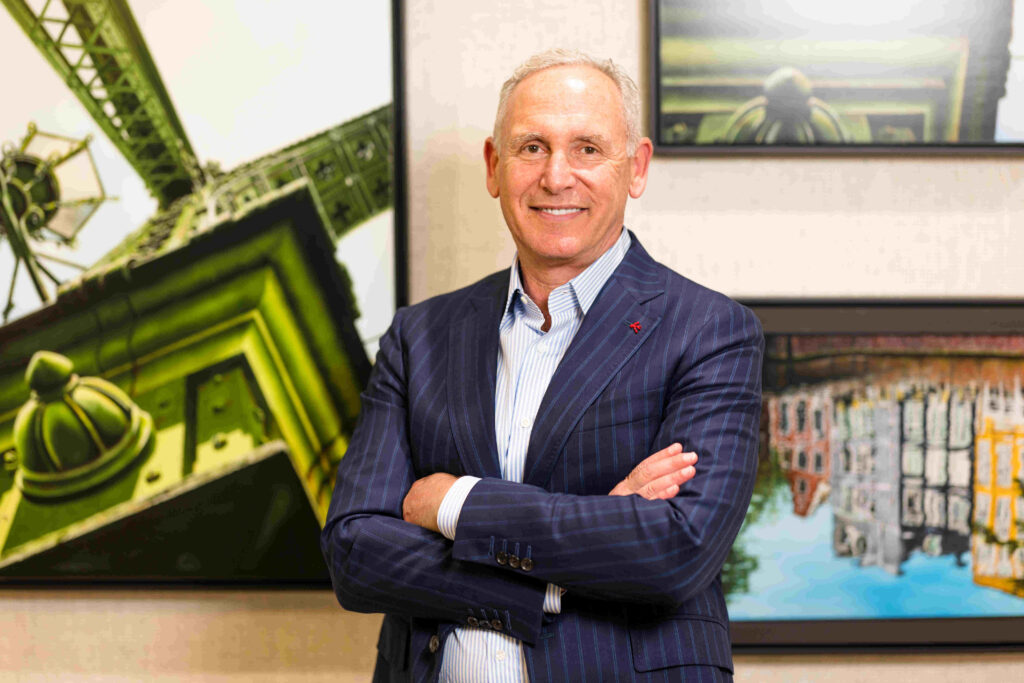
Dr. Scott A. Spiro, MD, FACS is a board-certified plastic surgeon known for breast reconstruction expertise and cosmetic surgery of the breast, body, and face.
Dr. Spiro specializes in breast reconstruction, breast augmentation, breast lift (with or without implants), breast reduction, tummy tuck, mommy makeover, facelift with neck lift techniques, and fat grafting procedures for the face, breast, and body.
Insurance coverage varies. Reconstructive procedures may be covered depending on your plan and medical criteria, while cosmetic procedures are typically self-pay.
Call (973) 736-5907 or send us a message to schedule a consultation.
Yes. Virtual consultation options may be available for select patients and early planning, and our team will guide you on what to submit.
Financing options may be available, and our team can review payment and scheduling expectations during the consultation process.
We welcome patients from West Orange and communities throughout New Jersey, including Essex County and beyond.
Your consultation includes a detailed discussion of goals, a review of medical history, a focused exam, and a clear plan that covers options, recovery, and realistic outcomes.
Patients often value a surgeon-led approach that prioritizes education, individualized planning, and technique-driven outcomes designed to look natural rather than overdone.
Breast Reconstruction FAQs
Breast reconstruction rebuilds breast shape after mastectomy or breast tissue loss, with the goal of restoring contour and helping clothing fit feel more natural again.
Reconstruction may be performed immediately at the time of mastectomy or delayed until later, depending on treatment plans and personal preference.
Options commonly include implant-based reconstruction, flap-based reconstruction using your own tissue, or a combination approach depending on goals and anatomy.
Many reconstruction plans are staged, especially when tissue expansion, revisions, or symmetry procedures are needed to refine shape over time.
Yes. Some patients reconstruct one side and consider symmetry work on the opposite breast, while others pursue bilateral reconstruction depending on treatment decisions.
Reconstruction can restore contour, but feel and sensation can differ. Your consultation clarifies what to expect based on the method chosen.
Yes. Reconstruction planning can include reshaping, volume replacement, or balancing procedures depending on what changed and what you want improved.
Recovery depends on the type of reconstruction. Implant-based methods often differ from flap-based recovery in downtime and activity restrictions.
Scar placement depends on mastectomy incisions and reconstruction technique. Dr. Spiro plans incisions to support both safety and long-term aesthetics.
When applicable, reconstruction planning accounts for timing related to mastectomy and other treatments so the process feels organized and manageable.
Preparing questions ahead of time helps you feel more in control:
- Ask about timing (immediate vs delayed) and staged steps
- Ask what method fits your anatomy (implant, flap, or hybrid)
- Ask how recovery affects lifting, work, and sleep positioning
- Ask whether symmetry surgery on the opposite breast may help
A clear roadmap makes reconstruction decisions feel less overwhelming and helps you plan support at home.
Flap-Based Breast Reconstruction FAQs
Flap-based reconstruction uses your own tissue to rebuild the breast, which can create a natural contour and avoid placing a permanent implant in some cases.
A latissimus dorsi flap uses tissue from the upper back to help reconstruct the breast, sometimes combined with an implant depending on the desired volume.
Candidates may include patients who want additional tissue coverage, have limited abdominal donor tissue, or need a method that works well with their anatomy and goals.
Many patients plan around four weeks for recovery milestones, with lifting restrictions and gradual return to activities as healing progresses.
Drains are common after flap-based surgery. Our team will teach you how to care for them and how to track output until removal.
Flap-based methods involve donor-site surgery, which can mean longer operative time and a different recovery, but many patients appreciate using their own tissue.
Because flap tissue is living tissue, weight changes can affect size and contour, which is part of long-term planning.
Yes. Staging can allow tissues to settle before refinements are performed to improve symmetry and shape.
Many patients like the way flap tissue can soften contour transitions, especially when tissue quality is limited after prior surgery.
Scar placement depends on donor site choice and incision design. Your consultation includes a realistic discussion of where scars will be and how they typically mature.
Planning ahead makes recovery feel more manageable:
- Arrange help with lifting and daily tasks for the first 1–2 weeks
- Prepare loose clothing that does not rub incision sites
- Plan short walks and rest periods to support recovery
- Keep follow-up visits so drains and healing can be monitored
When support is in place, early healing tends to be smoother and you can focus on consistent aftercare.
Oncoplastic Breast Reconstruction FAQs
Oncoplastic reconstruction combines cancer-related breast surgery with plastic surgery reshaping so breast contour can be preserved or improved as part of treatment.
It may be considered when breast tissue removal affects shape, symmetry, or nipple position and reshaping is needed to maintain proportion.
Not always. Oncoplastic approaches are often discussed with breast conservation surgery, while mastectomy reconstruction involves rebuilding the breast mound.
Yes. Planning can include reshaping the treated breast and, when appropriate, balancing procedures on the opposite breast.
Some patients do, especially if additional refinement or symmetry steps are needed after healing.
Radiation can affect tissue quality and healing. Your consultation addresses how that may influence technique choice and timing.
Recovery depends on the extent of reshaping and whether additional procedures are included. Our team will outline activity limits and expected milestones.
Incision patterns are influenced by oncologic surgery and reshaping needs. The goal is to support safe healing and the best possible contour.
Yes. It can be used to improve contour and help restore a smoother breast shape when a defect or indentation is present.
Success includes cancer treatment goals plus shape, balance, and confidence in clothing, with realistic expectations based on tissue and healing.
These questions help clarify your options and timeline:
- Whether reshaping will be done at the same time as tissue removal
- Whether the opposite breast may need balancing for symmetry
- How radiation history or plans affect technique and healing
- What to expect for future stages, if any
A clear plan helps you anticipate the process and feel more confident about each step.
Breast Reconstruction with Tissue Expanders and Implants FAQs
Tissue expander reconstruction uses a temporary expander to stretch skin and soft tissue so a permanent implant can be placed later.
Expanders are used when more skin coverage is needed to safely accommodate an implant, especially after mastectomy.
Yes. In many cases, mastectomy and tissue expander placement are performed during the same operative session.
Expansion occurs over months, with gradual fills to create space for the final implant. The exact timeline depends on healing and treatment plans.
Dr. Spiro describes using a hybrid method that is partially submuscular and partially pre-pectoral, tailored to anatomy and reconstruction goals.
After expansion is complete and tissues are ready, a second surgery places the permanent implant. Timing depends on healing and overall treatment planning.
Many patients can feel the expander because it is temporary and firm. Comfort typically improves as healing progresses and the final implant replaces it.
Expect soreness, swelling, and activity limits early on. Our team will guide incision care and safe return to movement.
Some patients choose refinements for symmetry or contour once tissues settle. Staging is common to improve the final result.
Planning may include implant choice, pocket positioning, and sometimes procedures on the opposite breast for balance.
A staged plan is easier when you prepare for multiple steps:
- Ask about the fill schedule and expected number of visits
- Plan time off around surgery dates and early recovery windows
- Arrange support for lifting restrictions after each stage
- Keep follow-ups consistent so expansion and healing stay on track
When the timeline is clear, the process feels less stressful and more predictable.
TRAM Flap Breast Reconstruction FAQs
TRAM flap reconstruction recreates a breast using abdominal tissue—skin, fat, and often muscle—moved to the chest to rebuild shape.
TRAM procedures vary based on how blood supply is handled and how tissue is transferred. Your consultation clarifies which approach fits your anatomy and goals.
Yes. TRAM flap reconstruction may be performed immediately or delayed, depending on treatment plans and timing preferences.
Many patients notice a flatter abdominal contour because tissue is taken from the lower abdomen, but this is not the same as a cosmetic tummy tuck plan.
Because it involves both breast and abdominal surgery, recovery can be more involved. Patients typically plan a meaningful downtime window and gradual return to activity.
Yes. Scar placement depends on the incision design needed to safely transfer tissue and create a stable donor-site closure.
Yes. Additional stages may refine symmetry, contour, or nipple reconstruction depending on the overall plan.
Because it uses living tissue, results are long-lasting, though weight changes and natural aging can affect contour over time.
Symmetry planning may include shaping, flap positioning, and sometimes opposite-breast procedures for balance.
Planning support helps protect both surgical sites:
- Arrange help for lifting, meals, errands, and childcare early on
- Set up a rest area that supports gentle movement and elevation
- Plan loose clothing that does not irritate abdominal incisions
- Keep follow-ups consistent so healing and drains can be monitored
When support is in place, recovery tends to feel more manageable and movement improves more steadily.
Facelift SMAS Composite Neck Lift FAQs
This approach addresses facial laxity by lifting deeper support layers and improving the neck contour for a more cohesive face-to-neck rejuvenation.
Common concerns include jowling, a softened jawline, deepening folds from tissue descent, and neck laxity that blurs definition.
Structural lifting focuses on deeper support, while skin-only tightening can create tension that looks less natural. A structural approach is designed to look refreshed rather than pulled.
This technique is specifically planned to improve the neck along with the lower face, which can create a more balanced result than addressing the face alone.
Results are long-lasting, though aging continues. Many patients appreciate that they still look like themselves—just more rested and supported—for years.
Incisions are typically placed around the ears and along hairline contours to keep scars discreet as they heal.
Many patients plan about 10 to 14 days of social downtime depending on bruising and swelling, with continued refinement over the following weeks.
Many patients plan around two weeks for public-facing work, though timing depends on healing, bruising, and comfort level.
Yes. Facial fat grafting is often discussed when volume loss is part of the concern, and eyelid procedures may be considered when the eye area contributes to a tired look.
Natural results come from balanced lifting, careful incision design, and avoiding over-tightening. The goal is refreshment, not a different face.
A practical plan makes early healing calmer:
- Arrange time off work and avoid major events early on
- Set up head elevation and comfortable sleep positioning
- Prepare simple meals, hydration, and easy-to-reach essentials
- Plan rides to follow-ups and help for the first 24 hours
When recovery is planned realistically, swelling tends to resolve more predictably and results look refined without feeling rushed.
Breast Lift Without Implants FAQs
A breast lift without implants reshapes and elevates the breasts by tightening and repositioning tissue and removing excess skin, without adding an implant
Lift-only surgery can be a great fit when your main concern is sagging and nipple position, and you are generally satisfied with your natural volume.
A lift primarily changes position and shape. Some patients feel slightly smaller because tissue is more compact and supported, not because volume was removed.
In some cases, reshaping can improve upper pole appearance, but significant upper fullness is more predictable with implants or fat grafting depending on candidacy.
A lift requires incisions, and scar pattern depends on how much lifting is needed. Scars typically fade over time with consistent scar care and sun protection.
Most patients feel the most limitation in the first 1 to 2 weeks, with gradual return to routine activity. Final shape continues refining as swelling resolves.
Yes. Lift planning can improve asymmetry in nipple height and breast shape, with the goal of improvement rather than perfect mirroring.
Breastfeeding may still be possible for some patients, but it cannot be guaranteed. If future pregnancy is planned, timing should be discussed.
Results can last many years, but aging, weight changes, and pregnancy can affect breast shape over time.
Technique is chosen based on tissue position, skin quality, and how much reshaping is needed to create a supported, balanced contour.
A few habits help results hold up more predictably:
- Maintain stable weight to reduce tissue stretching
- Wear supportive bras for daily comfort and exercise
- Follow scar-care guidance once you are cleared to begin
- Avoid nicotine to support better wound healing and scar quality
These steps support smoother healing and can help your lift look more stable over time.
Breast Lift With Implants FAQs
This procedure combines a lift to restore breast position with implants to add or restore volume, often improving both shape and fullness at the same time.
If the nipple sits low, points downward, or the breast looks deflated with loose skin, implants alone may not create the shape you want.
A lift repositions the nipple-areola complex and reshapes the breast envelope. Implants add volume, but they do not reliably correct moderate-to-significant sagging by themselves.
Yes. A lift typically requires additional incisions because skin must be tightened and the breast reshaped.
Sizing focuses on proportion and tissue support. The goal is fullness that looks balanced without overstretching skin or creating long-term heaviness.
Expect swelling, tightness, and soreness early on with gradual improvement. Restrictions matter because both implant settling and incision healing are part of the process.
Many patients return to desk work within 1 to 2 weeks, while physically demanding jobs often require longer and modified duties.
Walking is encouraged early, but heavy lifting, running, and upper-body workouts must wait until cleared to protect shaping and incisions.
You’ll see improvement immediately, but shape refines over months as swelling resolves and implants settle into position.
Yes. Implant selection and lift planning can improve balance in nipple height, breast position, and fullness between sides.
Planning helps you protect healing and feel more comfortable:
- Arrange help for lifting limits and daily tasks during the first week
- Prepare front-opening clothing to avoid overhead strain
- Keep essentials within reach and set up a comfortable rest space
- Follow surgical bra, activity, and scar-care instructions as directed
When aftercare is consistent, swelling tends to resolve more evenly and your breast shape often settles more predictably.
Breast Augmentation FAQs
Breast augmentation uses implants to enhance breast volume and improve shape, with planning tailored to your frame for a proportional result.
Common goals include restoring volume after pregnancy or weight loss, improving symmetry, adding upper fullness, and achieving a more balanced silhouette.
Sizing is based on chest width, tissue thickness, skin elasticity, and the look you want, with a focus on what your tissues can support long-term.
Both are options, and selection depends on your anatomy and preference for feel and appearance. Your consultation will clarify what best fits your goals.
Placement depends on tissue thickness, contour goals, and support needs. Dr. Spiro will explain how placement affects cleavage, implant visibility, and recovery.
Incisions are chosen based on anatomy and implant plan, with the goal of safe placement and discreet scars.
Early recovery includes swelling, soreness, and tightness that gradually improves. Activity restrictions help protect healing tissues and implant position.
Desk-based work often allows an earlier return than physical work. Your timeline depends on job demands and how you heal.
You’ll see change immediately, but shape continues refining as swelling resolves and implants settle over the following weeks and months.
Implants are durable but not lifetime devices. Long-term monitoring and future decisions depend on implant integrity and personal preference over time.
A practical setup helps the first week feel smoother:
- Arrange help for lifting limits and early errands
- Prepare loose, front-opening tops to avoid overhead strain
- Keep essentials within reach and plan a light schedule
- Follow surgical bra and activity instructions consistently
When support is in place, recovery tends to feel calmer and your implants can settle more smoothly.
Breast Reduction FAQs
Breast reduction removes excess breast tissue, fat, and skin to create a lighter, smaller breast size with improved comfort and proportion.
Many patients seek relief from neck and back discomfort, shoulder grooving, skin irritation, and limitations with exercise and clothing fit.
Yes. Most reductions include lifting and reshaping because tissue is repositioned and the nipple-areola complex is typically elevated.
Yes. Incision pattern depends on how much reduction and reshaping is needed. Scars typically fade over time with proper care.
Yes. Reduction can improve size and shape balance, though the goal is improvement rather than perfect symmetry.
Temporary sensation changes are common early on. Long-term outcomes vary and depend on anatomy and the extent of reduction.
Breastfeeding may be possible for some patients, but it cannot be guaranteed. If future pregnancy is planned, timing should be discussed.
Most patients feel the most limited during the first 1 to 2 weeks, with gradual return to routine activity. Swelling resolves over weeks and scars mature over months.
Desk work often allows an earlier return than physical work. Exercise returns gradually, with heavy lifting restricted until cleared.
Planning balances symptom relief with a breast size that looks proportional to your frame and fits your long-term goals.
Preparation supports comfort and smoother healing:
- Plan help for lifting, errands, and household tasks early on
- Wear the recommended support garment consistently
- Keep your schedule light and follow activity restrictions carefully
- Begin scar care only when cleared and protect scars from sun exposure
When you protect healing early, comfort typically improves faster and breast shape settles more smoothly.
Tummy Tuck FAQs
A tummy tuck removes excess abdominal skin and can tighten the abdominal wall when muscle separation is present for a flatter, smoother abdomen.
It addresses loose skin and weakened abdominal support that can remain after pregnancy or weight changes, even with strong fitness habits.
Yes. If separated abdominal muscles contribute to bulging, repair can be part of the tummy tuck plan to improve contour and core support.
Scar placement is planned low on the abdomen so it can be concealed by typical underwear and swimwear. Your scar length depends on how much skin must be removed.
It may remove stretch marks on the skin that is excised, often below the belly button. Stretch marks outside the removed area may remain.
Some tummy tuck plans include drains to help manage fluid during early healing. Our team will teach you how to care for them if they are part of your plan.
Many patients feel the most limited in the first 1 to 2 weeks, with continued improvement over the following weeks as swelling resolves.
Many patients plan about two weeks for desk work. Physical jobs often require longer and a staged return.
It is common to walk slightly bent early on due to tightness. Posture improves gradually as swelling decreases and tissues relax.
Yes. Tummy tuck is often combined with breast and contouring procedures in a mommy makeover plan when it is safe and recovery is realistic.
Preparation makes early healing calmer:
- Arrange help for lifting, errands, meals, and childcare
- Set up a recovery space with pillows for elevation and easy movement
- Place essentials at counter height to reduce bending and reaching
- Keep your schedule light so you can rest and walk consistently
When support is in place, it is easier to follow restrictions and protect your long-term contour as swelling improves.
Mommy Makeover FAQs
A mommy makeover is a customized combination of procedures designed to address common changes after pregnancy and breastfeeding, often focusing on the breasts and abdomen.
Plans commonly include tummy tuck plus breast augmentation, breast lift (with or without implants), and contouring procedures depending on your goals and anatomy.
Most patients do best when they are finished having children, since pregnancy can stretch repaired tissues and change breast shape again.
Timing depends on healing, weight stability, and breastfeeding status. A consultation helps identify a safe and realistic window.
Most patients need help during the first week, especially for lifting children, errands, and household tasks.
Time off depends on your procedure mix and job demands. Desk-based work often returns sooner than physical work.
Both options exist. Combining can mean one recovery period, while staging can reduce operative time and simplify each recovery.
You’ll see changes early, but swelling can last for weeks. Refinement continues for months as tissues settle and scars mature.
Natural results come from balanced planning and tissue support rather than “doing the maximum.” The goal is a cohesive outcome that fits your frame.
In some cases, fat grafting may be discussed to refine contour or restore volume, depending on donor fat availability and goals.
Preparation helps combined recovery feel manageable:
- Arrange childcare and household help for at least the first week
- Prepare a recovery space that supports elevation and short walks
- Stock easy meals, hydration, and essentials within easy reach
- Block time off work and keep your calendar light during early healing
When support is planned ahead of time, it is easier to rest consistently and protect both breast and abdominal results.
Facial Fat Grafting FAQs
Facial fat grafting uses your own purified fat to restore volume in areas affected by aging, helping create a softer, more refreshed facial contour.
Common concerns include hollow cheeks, under-eye volume loss, temple hollowing, and overall facial deflation that makes the face look tired.
Fillers are pre-made gels, while fat grafting uses your own tissue. Fat grafting can provide broader volume restoration, though results depend on fat survival.
If laxity is the main issue, lifting may be needed. If volume loss is the main issue, fat grafting may be appropriate. Many patients benefit from a combined approach.
Common donor areas include the abdomen, flanks, or thighs, depending on where you have suitable fat to harvest.
Surviving fat cells behave like fat elsewhere in the body and can be long-lasting. Some of the transferred fat is naturally reabsorbed during healing.
Yes. Swelling is expected and improves over time. Your final contour becomes clearer as swelling resolves and the fat settles.
Yes, when volume is placed thoughtfully and conservatively. The goal is to restore what time took away, not to overfill.
Yes. Many patients combine fat grafting with lifting procedures to address both volume loss and tissue descent.
Recovery includes swelling and sometimes bruising. The timeline varies based on how much volume is transferred and whether it is combined with other procedures.
Planning helps you ride out the swelling phase comfortably:
- Plan a lighter schedule during early swelling and bruising
- Avoid smoking and follow medication guidance closely
- Keep head elevation consistent and follow aftercare instructions
- Attend follow-ups so healing and symmetry can be monitored
When aftercare is consistent, swelling typically resolves more evenly and facial contours settle more naturally.
Fat Grafting for the Body FAQs
Body fat grafting transfers your own fat from one area to another to add volume and refine contour, often paired with liposuction contouring of the donor area.
Common areas include hips, buttocks, and contour deficits where added volume can improve proportion and shape.
Fat grafting uses your own tissue and can feel very natural. Implants provide predictable volume but involve a device. The best option depends on your goals and anatomy.
Candidacy depends on body composition and how much fat can be safely harvested while still keeping donor areas smooth.
Fat survival varies. Some transferred fat is reabsorbed during healing, and long-term results depend on how well the fat establishes blood supply.
Fat grafting adds volume but does not reliably tighten loose skin. If laxity is a major concern, additional procedures may be discussed.
Recovery depends on donor areas treated with liposuction and the area receiving fat. Swelling is expected and improves over weeks.
Some change is visible early, but results refine over months as swelling resolves and fat survival becomes clear.
Yes. Some patients choose staged fat grafting sessions to build volume gradually if donor fat and goals support it.
Natural results come from proportion, smooth transitions, and conservative volume placement rather than overfilling.
Planning and consistency help results settle more predictably:
- Follow positioning and pressure-avoidance instructions for the treated area
- Wear compression exactly as directed for donor-site contour
- Keep activity within guidelines while swelling resolves
- Maintain stable weight during the healing phase
When aftercare is consistent, fat survival tends to be more predictable and contour refinement looks smoother over time.
Fat Grafting to the Breasts FAQs
Breast fat grafting uses your own fat to add volume and improve breast shape, often providing a softer, natural-looking enhancement.
Fat grafting typically provides a more subtle volume increase than implants and relies on donor fat availability. Implants offer more dramatic and predictable size changes
Good candidates often want modest enhancement, have enough donor fat, and prefer an option that avoids implants.
Results vary, but most patients achieve a modest increase. Some patients choose staged sessions for more volume over time.
Yes. Fat grafting can be very useful for improving subtle asymmetries and contour irregularities.
Yes. Fat grafting is often discussed as a refinement tool in reconstruction to improve contour, softness, and symmetry.
Fat grafting can create benign imaging changes. You should always tell your radiologist about any breast procedures so imaging can be interpreted appropriately.
Surviving fat cells are long-lasting. Some fat is reabsorbed during healing, and results stabilize over months.
Recovery includes swelling in both donor and breast areas. Activity restrictions and garment instructions depend on the donor sites treated.
In some cases, yes. If breast position and skin laxity are concerns, a lift may be discussed in addition to or staged with fat grafting.
Preparation helps you manage donor-site recovery and breast swelling:
- Plan for compression garment wear as directed for donor areas
- Avoid nicotine and follow medication guidance closely
- Keep your schedule light during early swelling and tenderness
- Maintain stable weight so results are easier to assess as they settle
When aftercare is consistent, donor-site contour and breast volume tend to refine more smoothly.
Schedule Your Consultation with Dr. Scott A. Spiro Today
Dr. Scott A. Spiro will help you understand your options and build a plan that fits your goals, anatomy, and timeline—whether you are pursuing breast reconstruction, cosmetic breast surgery, body contouring, or facial rejuvenation.
Call (973) 736-5907 or send us a message to schedule your consultation today.