Latissimus Dorsi Flap Reconstruction in NJ
If you have undergone mastectomy surgery as part of breast cancer treatment, reconstruction can be a powerful step toward healing, physically and emotionally. I perform breast reconstruction using implants, your own tissue, or both, and tailor the timing of surgery to align with your treatment plan. My team and I take great pride in supporting our patients through this process, and we are dedicated to helping you move forward feeling whole, confident, and cared for.
Latissimus dorsi flap reconstruction is a breast reconstruction procedure that uses fat, muscle, and skin from the upper back (latissimus dorsi muscle) to rebuild the breast shape following breast cancer and mastectomy. Your latissimus dorsi muscle is one of the largest muscles in your body, which is located just below your shoulder and behind your armpit. I use a large flap from this area to rebuild your chest and breast mound in order to create a more natural-looking breast to enhance your feminine features after breast cancer.
Schedule a consultation to discuss your flap procedures options by calling (973) 736-5907 or complete our online form to learn more.

Latissimus Dorsi Flap Reconstruction Before and After
Please take a look at our latissimus dorsi flap before and after gallery to see our patients’ breast reconstruction transformations after recovery!
Latissimus Dorsi Flap Reconstruction Candidates
Ideal candidates for a latissimus dorsi flap breast reconstruction are women who have the desire to complete most reconstruction phases in one procedure (direct to implant), a need for significant skin removal as part of mastectomy, had previous reduction for lumpectomy prior to mastectomy, or need an alternative breast reconstructive surgery due to a previous flap procedure failing.
You may not be a good candidate if you smoke or have a condition that affects your circulation, such as uncontrolled diabetes, vascular disease, or a connective tissue disease like rheumatoid arthritis, since blood vessels are moved and reconnected during a breast reconstruction procedure.
Meet Scott SpiRo, M.D., F.A.C.S.
SURGEON BY TRADE
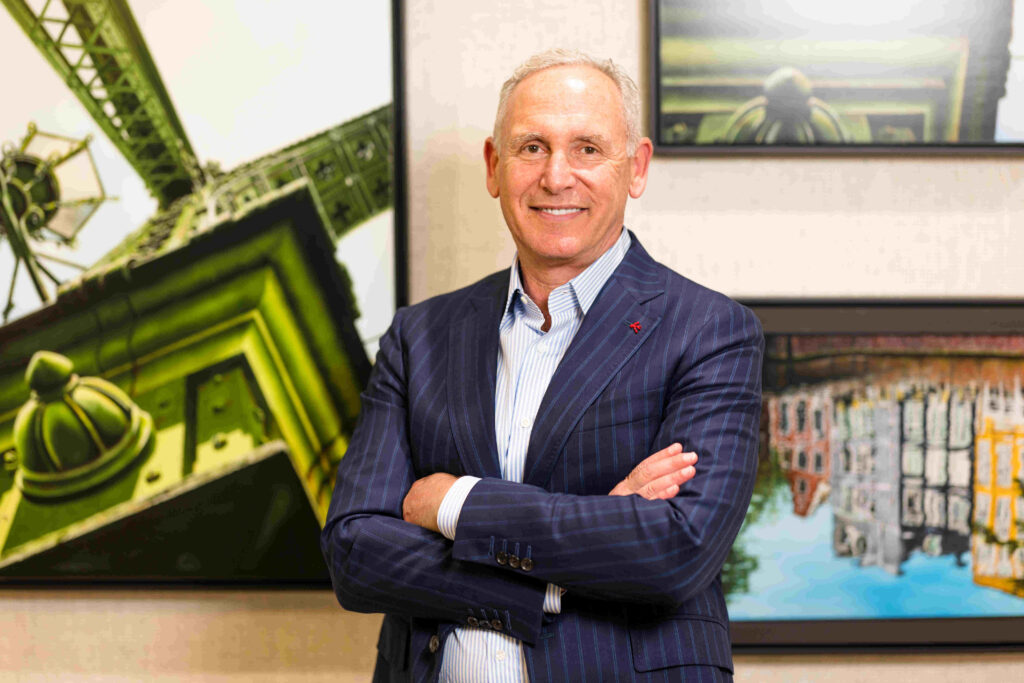
As a board-certified plastic surgeon, I specialize in deep-plane facelifts, neck lifts, breast procedures (augmentation, reduction, reconstruction, and en bloc type implant removal for breast implant illness), and body contouring surgeries like mommy makeovers and tummy tucks. My unique approach blends medical expertise with an artist’s vision to create natural-looking, transformative results.
ARTIST AT HEART

My passion for art extends beyond surgery—I have illustrated journal articles, book chapters, and patient education materials. My office features reproductions of my oil paintings, graphite drawings, and photography, reflecting my dedication to aesthetics and precision.
What to Expect During a Latissimus Dorsi Flap Reconstruction Consultation
During your consultation, I will talk to you about your medical history, breast cancer surgery or treatment, and go over your surgical goals for the procedure. I will examine your breasts and determine if there is enough tissue in your back to create a new breast. A discussion about size of breast implants to be used with the latissimus flap and opposite breast symmetry procedures will be reviewed. My staff and I will also go over any potential risks or outcomes of the surgery.
How to Prepare for Latissimus Dorsi Flap Breast Reconstruction
To prepare for autologous reconstruction surgery, you may need a chest x-ray, lab testing, or to adjust your current medications. You will also need to avoid taking any blood thinners or anti-inflammatory medication, such as aspirin. If you smoke, vape, or use any nicotine, cannabinoid, and/or ADHD medication, you must be willing to stop for several weeks before and after your surgery.
After your breast reconstruction procedure, you will also need to make arrangements for someone to drive you home and help take care of you as you recover, whether it be a caregiver or a family member.
Latissimus Dorsi Flap Breast Reconstruction Procedure in NJ
During latissimus dorsi flap breast reconstruction surgery, I make an incision in your back. The exact location of the back incision depends on the mastectomy incision location on the breast. I slide an oval flap of blood vessels, fat, muscle, and skin through a tunnel under your arm to your chest, forming it into a new breast shape. I leave the blood vessels attached to their original blood supply in your back. If any tiny blood vessels need to be cut, I match them to those in your chest and carefully reattach blood vessels under a microscope. If you are also receiving a breast implant, I will insert the implant underneath the flap to create a more natural-looking breast shape.
Latissimus Dorsi Flap Breast Reconstruction Recovery
It can take about four weeks to fully recover from latissimus dorsi breast reconstruction surgery. I will give you specific post-operative instructions to follow, including how to care for your dressings, stitches, staples, and surgical drains. I will also give you recommendations on when to start stretching exercises and when to return back to normal activities. Generally, I recommend avoiding heavy lifting and strenuous activities for at least four weeks after your flap breast reconstruction. You should start seeing a more natural breast shape after swelling subsides during your recovery process.
Book Your Appointment with Dr. Spiro today!
Dr. Scott Spiro is a board-certified plastic and reconstructive surgery expert at Spiro Plastic Surgery in West Orange, NJ, specializing in Latissimus dorsi flap reconstruction procedures. Call us at (973) 736-5907 or reach out online to learn more.
Flap-Based Breast Reconstruction – Frequently Asked Questions
Flap-based breast reconstruction is a surgical technique that uses your own healthy tissue, including skin, fat, and muscle, from another area of your body like the back or abdomen to rebuild the breast shape after breast cancer and mastectomy. Because flap-based breast reconstruction surgery uses your natural tissue, results tend to look and feel more organic than implant reconstruction.
I perform two primary flap techniques: the latissimus dorsi flap, which uses tissue from the upper back, and the TRAM flap, which allows tissue reconstruction from the lower abdomen. I will recommend the best breast reconstruction approach based on your body type, mastectomy type, and aesthetic goals.
The latissimus dorsi flap uses muscle, fat, and skin from your upper back to reconstruct the breast. Ideal candidates are women who want near-complete breast reconstruction in a single procedure, those who have had prior breast reduction or breast lift surgery, or those who need an alternative to abdominal tissue. This technique is particularly well-suited for a “direct to implant” approach, where an internal muscle pocket supports the implant beautifully.
A TRAM (Transverse Rectus Abdominis Myocutaneous) flap reconstruction procedure uses tissue from the lower abdomen (skin, fat, and rectus abdominis muscle) to form a new breast. Unlike implant-based breast reconstruction surgery, no foreign material is introduced. My extensive experience with tummy tucks means during TRAM flap breast reconstruction, the abdominal closure is particularly strong and aesthetically refined.
Yes. Flap breast reconstruction procedures can be performed immediately following your mastectomy (immediate reconstruction) or scheduled at a later date (delayed reconstruction). I will discuss the timing that makes the most sense given your breast cancer diagnosis and treatment plan and overall health.
It depends on the technique. The latissimus dorsi flap is often combined with an implant for added volume, as the muscle creates an internal “bra” that forms a stable, natural pocket. The TRAM flap reconstruction surgery typically provides enough tissue to create a breast mound without an implant, though individual results vary.
Patients who smoke, vape, or use nicotine products, or who have conditions affecting circulation, such as uncontrolled diabetes, vascular disease, or connective tissue disorders like rheumatoid arthritis, may not be suitable candidates for flap procedures, since healthy blood flow is critical for flap tissue survival.
Whether you are considering immediate reconstruction or delayed reconstruction, preparation may include lab testing, a chest X-ray, and adjustments to current medications. You will need to stop taking blood thinners, anti-inflammatory medications, and any nicotine or cannabinoid products for several weeks before and after breast reconstruction surgery to ensure healthy blood supply to the flap tissue. You should also arrange for someone to drive you home and assist with your care during recovery.
Recovery varies depending on the type of breast reconstruction you’ve had — implant reconstruction procedures generally involve a shorter recovery than flap procedures. Most flap reconstruction patients spend two to four days in the hospital following surgery to ensure healthy blood flow. Patients can typically return to light daily activities within two to four weeks. More strenuous activity, including exercise and heavy lifting, is typically restricted for six to eight weeks. Some swelling, tightness, and discomfort are normal in the early weeks, and you will receive detailed aftercare instructions, including wearing a supportive or surgical bra, to help you heal safely and comfortably.
Some degree of soreness, swelling, and tightness is expected in the days and weeks following surgery, particularly if flap procedures were performed, as both the breast and the donor site will need time to heal. Discomfort is very manageable with prescribed pain medication, and most breast reconstruction patients find that it improves significantly within the first one to two weeks. I will monitor your progress closely and adjust your care plan as needed to keep you as comfortable as possible throughout your recovery.
While you will notice an immediate change in your reconstructed breast shape after surgery, your final results will take time to fully emerge. Swelling gradually subsides over several weeks to months, and the reconstructed breast will continue to settle and soften as healing progresses. Most patients see their true outcome within three to six months. If nipple reconstruction or additional refinements are planned, those procedures are typically performed after the reconstructed breast has fully healed, and Dr. Spiro will walk you through a complete timeline during your consultation.
Yes, scarring is unavoidable, but I am meticulous about scar placement. For example, the latissimus dorsi breast reconstruction procedure leaves a scar on the back, typically in a location that can be concealed by a bra or swimsuit. High patient satisfaction with the aesthetic outcome of reconstructed breasts is my priority.
My approach to breast reconstruction surgery means you get the precision of a board-certified plastic surgeon and the sensibility of a trained artist. Rather than treating breast reconstruction as an afterthought, I consider each surgical procedure as an opportunity to restore natural beauty and symmetry for breast cancer patients. With my deep experience with abdominal surgery, for instance, I can perform the abdominal portion of a TRAM flap with both strength and aesthetic refinement that many surgeons don’t achieve.
The first step is to schedule your personalized breast reconstruction surgery consultation. I will evaluate your anatomy, review your mastectomy plan, and walk you through all your reconstruction options so you can make a confident, informed decision. You can schedule by calling (973) 736-5907 or completing our online contact form.

